Best Tactical Flashlight for Home Defense Spring 2026: Streamlight Stylus vs Fenix PD35
Table of Contents
- Quick Verdict
- About Streamlight Stylus
- About Fenix PD35
- Head-to-Head: Output and Brightness
- Head-to-Head: Size and Carry
- Head-to-Head: Reliability and Runtime
- Head-to-Head: Price and Value
- Who Should Choose Streamlight Stylus?
- Who Should Choose Fenix PD35?
- Our Verdict
- Frequently Asked Questions
Home defense starts with visibility. When seconds matter, you need a flashlight that works. Not someday. Not after you fiddle with settings. Right now. The Streamlight Stylus and Fenix PD35 represent two different approaches to tactical lighting—and only one matches your mission.
This comparison cuts through marketing noise. We're looking at real-world performance: output, runtime, durability, and whether these lights actually perform under stress. If you're selecting a light for your nightstand, duty belt, or go-bag, this matters.
Quick Verdict
Choose Streamlight Stylus if...
- You want a compact penlight for pocket carry and backup use
- Budget matters and you need reliable performance under $50
- You prioritize simplicity—no complex menus or learning curve
- You need a light that works as a pen first, flashlight second
Choose Fenix PD35 if...
- You need serious output for distance and room clearing
- You want programmable modes and tactical flexibility
- You'll invest in premium gear for mission-critical performance
- You demand maximum runtime and advanced features
| Factor | Streamlight Stylus | Fenix PD35 |
|---|---|---|
| Price Range | $25–$50 | $80–$120 |
| Output (Lumens) | 100–250 (model dependent) | 1000+ (variable modes) |
| Best For | Pocket EDC, backup light, penlight utility | Primary tactical light, room clearing, distance |
| Form Factor | Compact pen-sized | Handheld tactical flashlight |
| Runtime (Standard) | 2–4 hours typical | 8+ hours on mid modes |
| Key Advantage | Simplicity, price, pocket carry, always ready | Raw power, feature set, professional-grade reliability |
| Main Drawback | Limited throw distance, lower max output | Larger size, higher cost, more complex |
About Streamlight Stylus
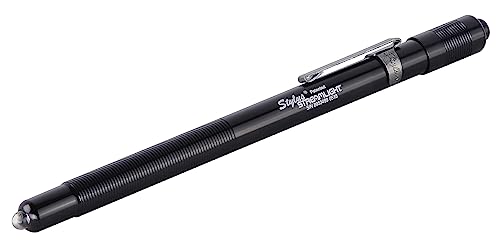
The Streamlight Stylus isn't trying to be a primary tactical light. It's a penlight that performs. You carry it in your pocket like a pen. It's always with you because it doesn't burden you. Models like the Stylus Pro deliver 100 lumens of white LED output—enough to identify threats in your home and navigate dark spaces without announcing your position like a searchlight.
The design is deliberate. Single-button operation. No modes to cycle through. Press and hold: light. Release: off. Dead simple. Runs on AAA batteries—universally available. If your Stylus fails at 2 AM, you can replace it in seconds with a battery from anywhere. The durability is proven military and law enforcement issue. That's not marketing speak. That's service record.
Where the Stylus works best: as a backup light, EDC penlight, or secondary to your primary weapon light. It's not your room-clearing tool. It's your "I'm already armed and equipped, but I need extra illumination" tool. And it's excellent at that job for under $50.
About Fenix PD35
The Fenix PD35 is a professional-grade tactical flashlight. This light is built for people who use flashlights as mission-critical tools. Output runs 100–1000+ lumens depending on the mode you select. Distance is real. At 1000 lumens, this light reaches 300+ meters. Your home isn't 300 meters. But your Fenix works at every distance you'll actually encounter, and it does so with precision and control.
The feature set is extensive. Programmable modes mean you configure the light for your specific use case. Multi-level brightness. Strobe function for disorientation and signaling. USB rechargeable with a high-capacity battery. Runtime on efficient modes extends well beyond 8 hours. The build is aerospace-grade aluminum—military-spec durability. If you're training with this light, competing with it, or depending on it for serious work, the Fenix is built for that mission.
The cost reflects the engineering. At $80–$120, this light costs more than three Streamlight Stylus units. You're paying for raw capability, reliability under stress, and tactical flexibility. It's the light you choose when the light matters more than the price tag.
Head-to-Head: Output and Brightness
The Streamlight Stylus maxes out around 250 lumens (on the USB model). That's legitimate brightness for close-quarters home defense. You can identify a target and create enough light to see what you're aiming at. Adequate. Proven. But it's not overpowering.
The Fenix PD35 delivers 1000+ lumens on maximum mode. That's four times the output. In tactical terms, this matters for light throw—distance the beam reaches effectively. The Fenix reaches out 300+ meters. The Stylus works excellently inside your home. The Fenix dominates any indoor environment and extends outdoors. If you're clearing a house or engaging threats at distance, the Fenix wins decisively. If you're navigating a dark hallway and identifying a bedroom intruder at 10 feet, both work. The Stylus is sufficient.
Head-to-Head: Size and Carry
The Streamlight Stylus is pen-sized. Literally. It fits in your shirt pocket beside your actual pen. You'll forget you're carrying it. That's the entire point. For EDC, pocket carry, and true "always-on-you" deployment, the Stylus has a decisive advantage. It's not intimidating. It doesn't print through your shirt. It's there when you need it.
The Fenix PD35 is a handheld tactical light. It requires dedicated carry—duty belt, chest rig, or backpack. It's not a pocket light. But that's intentional. The larger form factor accommodates better ergonomics, higher output, and longer battery life. For home defense on your nightstand, the size difference is irrelevant. For EDC all day, every day, the Stylus is the logical choice.
Head-to-Head: Reliability and Runtime
Streamlight's reliability is documented across military, law enforcement, and emergency services. The Stylus uses simple mechanics—fewer parts means fewer failure points. AAA batteries are everywhere. If your light dies and you're in the field, you find batteries. Standard issue in emergency kits, vehicles, and supply rooms worldwide. The runtime on standard batteries runs 2–4 hours depending on mode and battery quality. That's adequate for home defense scenarios.
Fenix builds lights for professionals who bet their lives on equipment performance. The PD35 uses rechargeable lithium batteries with smart charging circuitry. Runtime extends 8+ hours on mid-level modes—a significant advantage if you're using the light continuously. The USB charging means you're not dependent on finding specific battery types. But you are dependent on having charged the light beforehand. For emergency home defense, that's a minor risk. For tactical operations, the advantage is real.
Head-to-Head: Price and Value
The Streamlight Stylus costs $25–$50 depending on model. That's entry-level pricing. You can buy redundant backups for the price of one Fenix. From a pure value-per-dollar metric, the Stylus wins. You get a proven, durable light for under $50. It works. It lasts. It's hard to justify upgrading unless you need the specific capabilities the Fenix offers.
The Fenix PD35 costs $80–$120. That premium buys you 4x the output, programmable modes, extended runtime, and professional-grade build quality. If you're selecting a primary tactical light for serious use, the price is justified. If you're buying a backup pocket light, it's unnecessary spending. The value argument depends entirely on your mission.
Who Should Choose Streamlight Stylus?
Choose the Stylus if home defense is only one part of your broader EDC strategy. You want a light that's always with you, never burdens you, and performs reliably in typical scenarios. You don't need the latest tactical features. You need a light that works. The Stylus is your answer. It's also the smart choice if budget is real—you can equip multiple locations for the price of one Fenix, and that redundancy matters. Vest pocket, nightstand, go-bag, vehicle glove box. A Stylus in each location costs less than upgrading to a single premium light.
Who Should Choose Fenix PD35?
Choose the Fenix if your flashlight is a primary tactical tool, not a backup. You train with lights. You use lights professionally. You need programmable modes and extended runtime. You want maximum reach and brightness for outdoor or long-distance applications. You're willing to spend more for tangible capability. The Fenix is your light. It's also the right choice if you're selecting a single home defense light that must cover all scenarios—indoor navigation, distance engagement, extended runtime for ongoing situations. The PD35 is the professional-grade solution.
Our Verdict
Both lights work. Neither will let you down in a critical moment. But they're not interchangeable.
If this is your only home defense light and you're buying today: buy the Fenix PD35. The 1000-lumen output, programmable modes, and extended runtime give you capability that covers every scenario you might face. Yes, it costs more. But a home defense light that only works "well enough" is a liability. The Fenix is overkill for typical home defense. Overkill is forgiving. When the light fails, you want failure on the side of "too much capability" not "not enough."
If you already have a primary tactical light and you're selecting an EDC backup: buy three Streamlight Stylus units and distribute them—pocket, nightstand, vehicle. The redundancy is worth more than a single premium light. The Stylus is proven, simple, and costs almost nothing. It's the smarter logistics play.
In real terms: Fenix for primary duty. Streamlight for redundant backup. Both have a place in serious preparedness. The mistake is choosing one when you should be choosing both.
Frequently Asked Questions
Can the Streamlight Stylus work as a primary home defense light?
Yes. 100 lumens is sufficient for identifying threats in your home at typical interior distances (10–30 feet). But if you want a single light that covers all scenarios, the Fenix's 1000-lumen capability is more forgiving. The Stylus works. The Fenix covers more ground. Choose based on your tolerance for "adequate" versus "superior."
Which light has better battery life?
Fenix PD35 wins on raw runtime—8+ hours on mid modes versus 2–4 hours on Stylus standard batteries. But the Stylus uses universal AAA batteries (replaceable anywhere). The Fenix uses proprietary rechargeable lithium. For emergency situations where you can't recharge, the Stylus is more resilient. For planned operations, the Fenix's extended runtime is superior.
Is the Fenix PD35 worth the extra cost?
If it's your only tactical light: yes. If it's supplementing existing equipment: probably not. Three Streamlight Stylus units provide better redundancy and cost less. One Fenix provides superior capability. Your answer depends on whether you're buying capability or coverage.
Can I use either light as a weapon mounted light?
No. Neither light is designed for picatinny rail mounting. Both are handheld lights. If you need a weapon-mounted light for your AR or handgun,
The best tactical flashlight depends on your specific needs, but the Streamlight Stylus and Fenix PD35 are top contenders for home defense situations. Both offer reliable brightness and durability, with the choice between them depending on whether you prioritize compact size (Stylus) or maximum output power (PD35). Compare them based on brightness output, battery life, size, and ease of use in high-stress situations. The Streamlight Stylus excels in portability and quick activation, while the Fenix PD35 delivers superior brightness and tactical features for those who prioritize maximum illumination power. Yes, a quality tactical flashlight is essential for home defense because visibility is critical in emergency situations where seconds matter. A reliable flashlight like the Streamlight Stylus or Fenix PD35 allows you to identify threats quickly without fumbling with settings during high-stress moments. The main differences are size, brightness output, and battery type—the Streamlight Stylus is more compact and intuitive for quick deployment, while the Fenix PD35 offers higher lumen output for greater distance illumination. Your choice should depend on whether you prioritize portability or maximum tactical brightness. For home defense, you need at least 500-1000 lumens to effectively identify threats and temporarily disorient potential attackers. Both the Streamlight Stylus and Fenix PD35 meet or exceed these requirements, ensuring you have sufficient visibility in dark home defense scenarios. Yes, tactical flashlights like the Streamlight Stylus are designed for both home defense and everyday carry due to their compact size and reliability. However, if you prioritize maximum brightness over portability, the Fenix PD35 works better for stationary home defense setups than EDC use.Frequently Asked Questions
What is the best tactical flashlight for home defense?
How do I choose between Streamlight and Fenix flashlights?
Is a tactical flashlight worth it for home defense?
What is the difference between Streamlight Stylus and Fenix PD35?
How bright do I need a flashlight to be for home defense?
Can I use a tactical flashlight for everyday carry?