

How to Zero AR-15 Optics
Zeroing your AR-15 optic is a crucial step in mastering your firearm. Whether you are a seasoned veteran hunting or a novice looking to improve your skills, getting the right zero is critical for accuracy and performance. A properly zeroed scope allows for more precise shots, contributing not only to your personal improvement journey but also your overall success in the field.
Table of Contents
Our Top Picks
Affiliate disclosure: if you buy through these links, we may earn a commission at no extra cost to you.


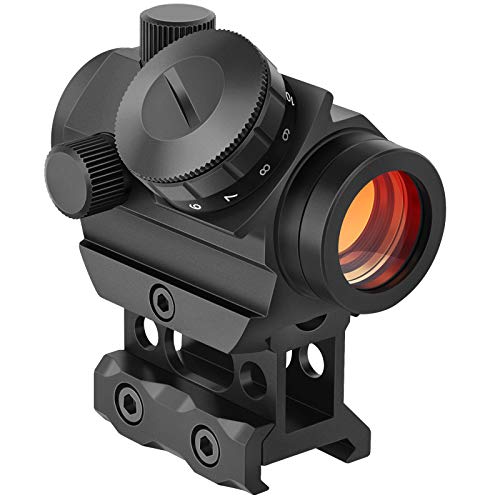

Whether you are aiming for precision shooting distances or just starting a new hobby, ensuring that your optic mount is accurately calibrated is essential for achieving the best performance from your firearm. In this guide, we will walk you through a step-by-step process for getting your AR-15 optics properly zeroed.
Understanding Optics Types
Understanding your options is key to selecting the right optic for your needs. AR-15 optics typically come in red dot sights and riflescopes. The red dot is great for rapid response and fast target acquisition, whereas riflescopes offer a more magnified view for longer ranges and precision shooting. You should determine which one fits your environment and the type of shooting you pursue.
Preparing Your Gun and Optic
Before we get into using your weapon, it's essential to ensure it is clean and in proper working order. Lubricate all moving parts to ensure your weapon operates smoothly. Ensure the weapon is in proper condition. After preparing your weapon and optic, you should mount the optic securely to your AR-15. Follow the manufacturer's instructions for mounting and securing your specific optic. This is critical to ensuring the accuracy of the zero.
Zero Testing at Normal Range
For the next step, we'll conduct our first zero at a 25-yard distance, which is a common starting point. Align the front sight and the rear of your sight on the vertical axis of your barrel. The scope crosshairs should precisely align with the front sight, and this should be the baseline for your zero. Now, take a shot. Adjust your scope’s elevation until the bullet's impact is precisely centered in the middle of your crosshairs.
Zero Testing at Multiple Distances
Once you get the basic zero working, it's important to test your setup at various distances. Start with a mid-range distance, like 50 yards, and move out to longer distances. Each of these distances will require an adjustment, but once the initial settings are correct, you should find a pattern between distances. Testing under varying conditions is crucial to ensure your setup remains accurate.
Optics Calibration and Adjustments
After your initial setup, you might realize that your target acquisition may vary due to environmental factors like temperature changes or external influences. Fine-tuning your optic settings is essential to maintain consistent performance throughout different conditions. Take a minute to adjust the magnification scale and check if the focus on both near and distant targets is clear and distinct. Proper calibration ensures that your vision remains clear, regardless of the distance or environmental conditions.
Frequently Asked Questions
Does AR-15 optic mount need to be aligned?
Yes, it is critical to ensure that your optic mount is properly aligned. This alignment affects both the accuracy of your shots and the ease of use of your scope. The mount should be tight and have minimal play once it's installed.
How often should I calibrate my AR-15 optic?
It's recommended to calibrate your optics at least once per year or after exposure to extreme conditions. This calibration helps you stay aware of any changes in your optic's performance due to temperature or other factors.
Can I use a red dot with a rifle scope?
No, a red dot or an individual optical weapon mount (IOWM) is typically used with either a red dot or riflescopes, but not both simultaneously. Depending on your preferred setup, you might choose to use a red dot for quick, close targets and a rifle optic for longer distances.
Are all AR-15 mounts compatible with all optics?
While most mounts are built to universal standard specifications, it is essential to ensure compatibility, especially when dealing with more complex optics. Always consult the manufacturer's guide or information to confirm compatibility before purchasing.
What are some basic maintenance tips for optics?
Regular maintenance will help keep your optics in good condition. Always clean after use to remove corrosive elements, and store your optics in appropriate containers to prevent dust and minor scrapes.
How do I know if my optic is accurately zeroed?
A properly zeroed scope is one where all shots from the first focal point to the last focal point on the target are accurately hitting your zero point. If you are consistently hitting your desired target, your scope is likely accurately zeroed. It is also wise to verify your zero by taking a few shots at longer distances.
Now that you have a solid grasp on how to zero your AR-15 optics, go out and put your new setup to the test in various scenarios. Remember, achieving the perfect zero is an ongoing process and may require some adjustments as you move into different situations. Keep your adjustments records consistent to maintain optimal performance.
Frequently Asked Questions
How do I choose the best optic for my AR-15?
The best optic depends on your intended use: red dot sights work well for close-range shooting and quick target acquisition, while magnified scopes are better for long-range precision and hunting. Consider factors like your shooting distance, budget, and whether you need magnification to determine which type suits your needs.
What is the difference between a red dot sight and a magnified scope?
Red dot sights provide unlimited eye relief and quick target acquisition at closer ranges without magnification, making them ideal for tactical situations. Magnified scopes offer higher magnification for precise aiming at longer distances but require more eye relief and slower target acquisition.
How do I zero my AR-15 optic correctly?
Start by mounting your optic securely on your rifle, then shoot a group of shots at a target while making adjustments to your scope's windage and elevation turrets until your shots consistently hit where you aim. Test your zero at your intended shooting distance—typically 25 yards for close-range work or 100+ yards for long-range hunting.
How far should I be to zero my AR-15 optic?
Most shooters zero at 25 yards for a quick baseline, but your final zero should match your intended use: 50-100 yards is common for general purpose shooting, while hunting applications may require zeroing at 100-200 yards. Always verify your zero at the actual distance where you'll be using your rifle.
Is it worth spending money on a quality AR-15 optic?
Yes, a quality optic significantly improves accuracy, durability, and reliability compared to budget options, which often have poor glass clarity and lose zero easily. Investing in a reputable brand ensures your rifle performs consistently when it matters most, whether for hunting, sport shooting, or self-defense.
What tools do I need to zero my AR-15 optic?
You'll need a stable shooting platform (bench rest or rifle rest), target, ammunition, and basic tools like a screwdriver or adjustment tool that matches your optic's turrets. Some shooters also use a bore sighter or laser training system for initial rough zeroing before live fire.
How do I know if my AR-15 optic is properly mounted?
Ensure your optic rings are tightened securely, the optic sits at the correct height for your eye relief, and it doesn't move when you apply firm pressure to it. A proper mount prevents shift during recoil, which is essential for maintaining your zero over time.


